.png)
Dealing with Bedtime Fears? Here Are Strategies That Help
- Jessica Berk

- Feb 17, 2025
- 5 min read
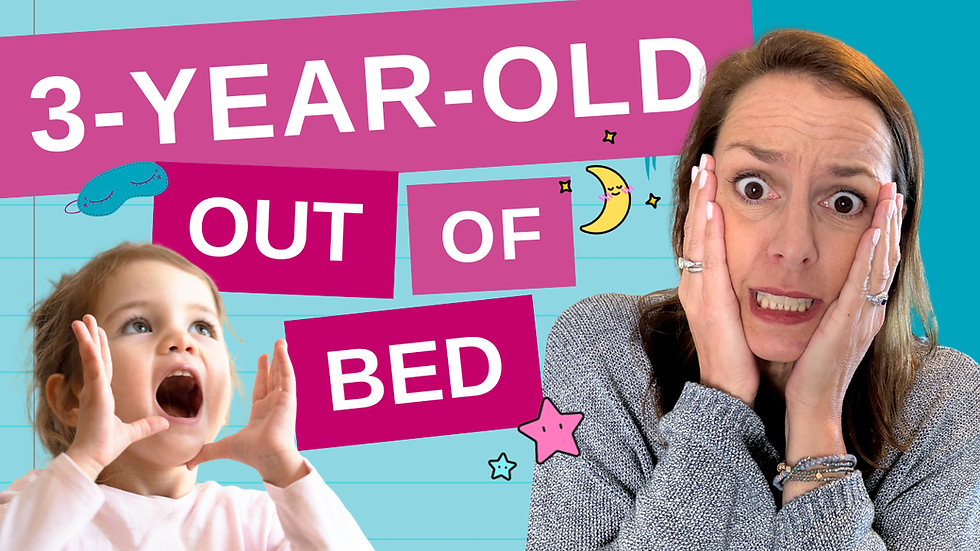
Does bedtime feel like an emotional roller coaster because your child is afraid to sleep alone? I know how exhausting that can be. Instead of unwinding at the end of the day, you’re caught in an endless cycle of cuddles, back rubs, and reassurance—while your evening disappears.
Today, we’re going to uncover what’s really behind your toddler’s fear of sleeping alone and, more importantly, how to help them overcome it. I’ll share practical strategies to build their confidence so they can sleep soundly without you—giving you both the restful nights you need.
>>Watch this blog on my Awesome Little Sleepers YouTube channel! 👇
Understanding What’s Really Going On
Why does your toddler seem scared and clingy at bedtime?
At this stage, your child’s growing awareness of the world—and their deep attachment to you—can make bedtime feel overwhelming. Here’s what’s really happening behind the scenes:
Developmental Milestones
Toddlers are beginning to grasp that you exist even when you’re not in the same room. This new understanding of separation is a huge cognitive leap, but it also means they know you’re just down the hall—and they’d much rather be with you. After all, you’re their favorite person! While this is a completely normal and healthy part of growing up, it can also make them feel uneasy about being alone.
Fear of the Unknown
Your toddler’s imagination is taking off—great for storytelling and creativity, but not so great when the shadows on their wall suddenly look like monsters or the creaky floor sounds a little too spooky. As their brain develops, so does their ability to conjure up fears that feel very real to them.
Their Need for Connection
You are their safe place, and that’s exactly how it should be! You’ve done an amazing job building a strong bond with them, but that deep connection can make separation—especially at bedtime—a little harder. You might notice this in other parts of their day too, like when you drop them off at daycare or leave them with a sitter.
Separation Anxiety at Night Is Normal—But Not Permanent
Some nighttime separation anxiety is completely normal and to be expected. But normal doesn’t mean permanent.
If you want to help your child feel comfortable sleeping independently, know that it’s not just about getting through bedtime—it can actually benefit them in bigger ways.
1. It Teaches Self-Soothing
Sleep independence helps kids develop self-soothing skills, an essential emotional tool that builds resilience. When your child learns to calm themselves at night, they’re not just learning to sleep—they’re building confidence that will carry into other parts of their life.
2. It Helps Them Feel Secure in Their Own Abilities
Instead of relying on you to ease their fears, they begin to realize, I can do this on my own. And that realization? It’s powerful. The more they experience success in sleeping independently, the more capable and secure they’ll feel.
3. It Gives You Your Evenings Back
Let’s talk about you. Imagine being able to unwind in peace—reading a book, watching a show, or spending quality time with your partner without interruption. You deserve that time, and helping your child sleep independently makes it possible.
So, helping your toddler overcome nighttime fears isn’t just about bedtime—it’s about laying the foundation for long-term confidence and emotional security. Our goal is to raise kids who feel comfortable separating from us, knowing they are safe and supported, no matter what.
Strategies for progress when your child is afraid to sleep alone
1. Validate Their Feelings
It’s tempting to say, “There’s nothing to be afraid of!”—but to your toddler, that fear feels very real. Instead of dismissing it, try seeing things from their perspective. Lie in bed with them in the dark and ask, “What feels scary?”
If they’re afraid of the dark, a dim nightlight can help. Maybe a shadow from a picture frame, a blinking smoke detector light, or a noisy ice maker is unsettling them. Simple fixes—like repositioning the frame, covering the light with tape, or explaining the sound—can make a big difference.
If their fear is more generalized and they just say, “I’m scared,” offer calm reassurance: “I know being alone in your room might feel a little scary, but you’re safe in our house, and I’m right nearby.” This validates their feelings while reinforcing their security.
2. Create a Safe, Predictable Bedtime Routine
Consistency is your best friend. When your toddler knows exactly what to expect—bath, PJs, stories, lights out—it creates a sense of security. The more predictable bedtime is, the less anxiety has a chance to creep in. And the less your child will be afraid to sleep alone.
3. Reassure Without Reinforcing Fear
Comforting your child doesn’t mean staying in their room until they’re asleep. In fact, that can backfire by making them more dependent on your presence. If you keep saying, “You’re fine sleeping alone,” but never actually leave, they might start to think maybe there really is something to be afraid of.
Instead, let them feed off your confidence. Use reassuring but empowering phrases like, “You’re safe. You’ve got this!” paired with a quick hug—and then leave with confidence.
These small but powerful steps help lay the foundation for long-term success, making bedtime smoother for both of you.
Common Mistakes to Avoid Before Tackling Nighttime Fears
Before you start working on solutions, let’s go over a few common mistakes that can make things harder than they need to be.
Mistake #1: Staying in the Room Too Long or Co-Sleeping Every Time They Call Out
It’s completely natural to want to comfort your child—but if they rely on your presence to fall asleep, they won’t learn to do it on their own. The goal is to offer support without becoming their sleep crutch.
Mistake #2: Making Sudden, Drastic Changes
If your child has been verbalizing fears and you’ve been bed-sharing for a while, an abrupt shift can feel overwhelming. Instead of going cold turkey, ease into changes gradually. Praise even the tiniest improvements to build their confidence and sense of security.
Mistake #3: Reinforcing Fear by Overreacting to Nighttime Distress
Kids pick up on our emotions. If your toddler senses that you’re panicked or doubting them, they’ll feel less secure. Stay calm—even when it’s tough—to show them they’re safe. Your confidence will help them feel more confident, too.
Avoiding these pitfalls makes it easier to build trust, create security, and help your child gain independence faster.
Now, imagine your toddler happily climbing into bed, feeling safe, secure, and proud of themselves. They fall asleep peacefully—and stay asleep until morning.
And you? You finally get your evenings back—time to relax, unwind, and wake up feeling actually rested and ready to take on the day.
If this sounds like exactly what you want, you don’t have to figure it out alone. Join me in my next free Toddler Sleep Masterclass to learn the proven 4-part method to get your child to fall asleep without you.


전체적으로 설명이 친절하고 이해하기 쉬웠습니다. 관련 부분이 중간에 적절히 포함되어 실제 도움이 되는 내용이 유흥알바 많았습니다.
알찬 정보가 가득 담겨 있어 읽는 내내 도움이 되었습니다. 문화상품권 관련 혜택과 이용 방법을 쉽게 설명해 주어 활용 가치가 높다고 생각합니다.알찬 정보가 가득 담겨 있어 읽는 내내 도움이 되었습니다.
여러 번 문의해도 항상 같은 답변을 주는 점이 신뢰를 높여 주었습니다. 진행 중 부분이 중간에 분명히 안내되어 헷갈림 상품권현금화 없이 이용할 수 있었습니다. 깔끔한 서비스가 인상적입니다.
평소 절약에 관심이 많은 편인데 기대했던 것보다 좋았습니다. 상품권할인 적용 후 체감되는 혜택이 있었고 전체 이용 과정도 편리했어요. 실생활에서 활용 가치가 높은 서비스입니다.
설명이 구체적이면서도 이해하기 쉬워 끝까지 흥미롭게 읽었습니다. 특히 관련 장점이 명확하게 정리되어 있어 상품권매입 참고 가치가 높은 글이었습니다.